
You have 0 items in your cart

Navigating Estate Disputes: The Critical Role of Legal Guidance
If you’re searching for an estate litigation attorney, here’s what you need to know:
| What They Do | When to Hire | Key Qualities to Look For |
|---|---|---|
| Contest wills and trusts | When facing inheritance disputes | Experience in probate litigation |
| Represent beneficiaries and executors | If you suspect undue influence or fraud | Track record of successful cases |
| Handle probate disputes | When a fiduciary breaches their duty | Knowledge of local probate courts |
| Resolve trustee conflicts | If an executor is mismanaging assets | Responsive communication |
| Manage elder abuse claims | When contesting or defending a will | Strategic litigation approach |
An estate litigation attorney specializes in resolving disputes that arise during the administration of a deceased person’s estate. These legal battles often emerge at the most emotionally challenging times, when families are grieving and relationships are strained. Estate litigation can involve contesting wills, challenging trustee actions, addressing elder abuse claims, or resolving conflicts between beneficiaries.
When inheritance disputes arise, they rarely resolve themselves amicably. The complex legal and emotional dynamics require expert guidance from someone who understands both the technical aspects of probate law and the sensitive family dynamics at play.
“Inheritance disputes and probate administration are some of the most difficult and stressful legal matters individuals may ever confront.”
Estate litigation differs significantly from other legal disputes. It combines elements of family law, property law, and trust administration, requiring specialized knowledge and experience. A skilled attorney in this field not only understands the legal technicalities but also recognizes the deeply personal nature of these conflicts.
I’m Michael Hurckes, Managing Partner at Ironclad Law with experience in complex litigation matters including estate disputes where I’ve helped clients steer the challenging intersection of family dynamics and legal rights as an estate litigation attorney.
According to the American Bar Association’s 2025 report on estate litigation, the complexity of estate disputes has increased significantly in recent years, with digital assets and blended families creating new challenges for inheritance law.
Estate litigation attorney terms simplified:
– attorneys specializing in wills
– lawyers to draw up a will
– simple will and power of attorney
Understanding Estate Litigation
Estate litigation can turn family relationships upside down at the worst possible time – when everyone is grieving a loved one. These disputes over a deceased person’s estate often create emotional turmoil and financial stress that can last for years.
What is Estate Litigation?
At its core, estate litigation involves legal disputes that arise after someone passes away. These conflicts typically center around who gets what, whether the will is valid, or if someone mishandled the estate’s assets.
The probate court serves as the referee in these disputes. Here in New York, we call them Surrogate’s Courts – specialized venues that handle everything from validating wills to supervising how estates are managed.
One thing that makes these cases unique is the personal element. As one attorney I spoke with put it, “Trust and estate litigation is different than other forms of litigation, such as commercial litigation.” Unlike business disputes, estate conflicts often involve family members with decades of complex relationships and raw emotions.
An estate litigation attorney might handle a variety of cases, including will contests where someone challenges a will’s validity, trust disputes between beneficiaries, claims against executors who’ve mismanaged funds, guardianship proceedings, elder abuse cases, inheritance rights disputes, and formal accounting proceedings.
These matters blend technical legal knowledge with emotional intelligence, which is why having an experienced estate litigation attorney by your side can make all the difference in protecting your interests.
Common Causes of Estate Litigation
Understanding what typically triggers estate disputes can help you spot potential problems before they escalate into courtroom battles:
Undue influence occurs when someone pressures the person making the will to change their wishes. This might be a caregiver who slowly isolates an elderly person, or a family member who manipulates them during a vulnerable time. I’ve seen cases where entire inheritances were redirected through persistent manipulation.
Elder abuse sadly happens more often than we’d like to admit. Financial exploitation of seniors can drastically alter estate plans, with life savings disappearing into the wrong hands. An estate litigation attorney can help recover assets wrongfully taken from vulnerable loved ones.
Mental incapacity questions arise when there’s concern that the person wasn’t mentally sound when creating or changing their will. For a will to be valid, the person must understand what property they own, who should naturally inherit it, and what their will actually does.
Fiduciary misconduct happens when executors or trustees break their legal obligation to act in the best interests of the estate and its beneficiaries. This might involve self-dealing (like selling estate property to themselves at a discount), mismanaging assets, or simply refusing to distribute inheritances as directed.
Family conflicts often simmer beneath the surface for years before boiling over after a death. Blended families, sibling rivalries, and old resentments can transform into legal battles when inheritance is at stake.
Technical mistakes in estate documents sometimes invalidate otherwise clear wishes. Missing witnesses, improper notarization, or other procedural errors can create openings for challenges.
Ambiguous language in wills or trusts can leave room for different interpretations. What seemed clear to the writer might become a source of bitter disagreement among beneficiaries.
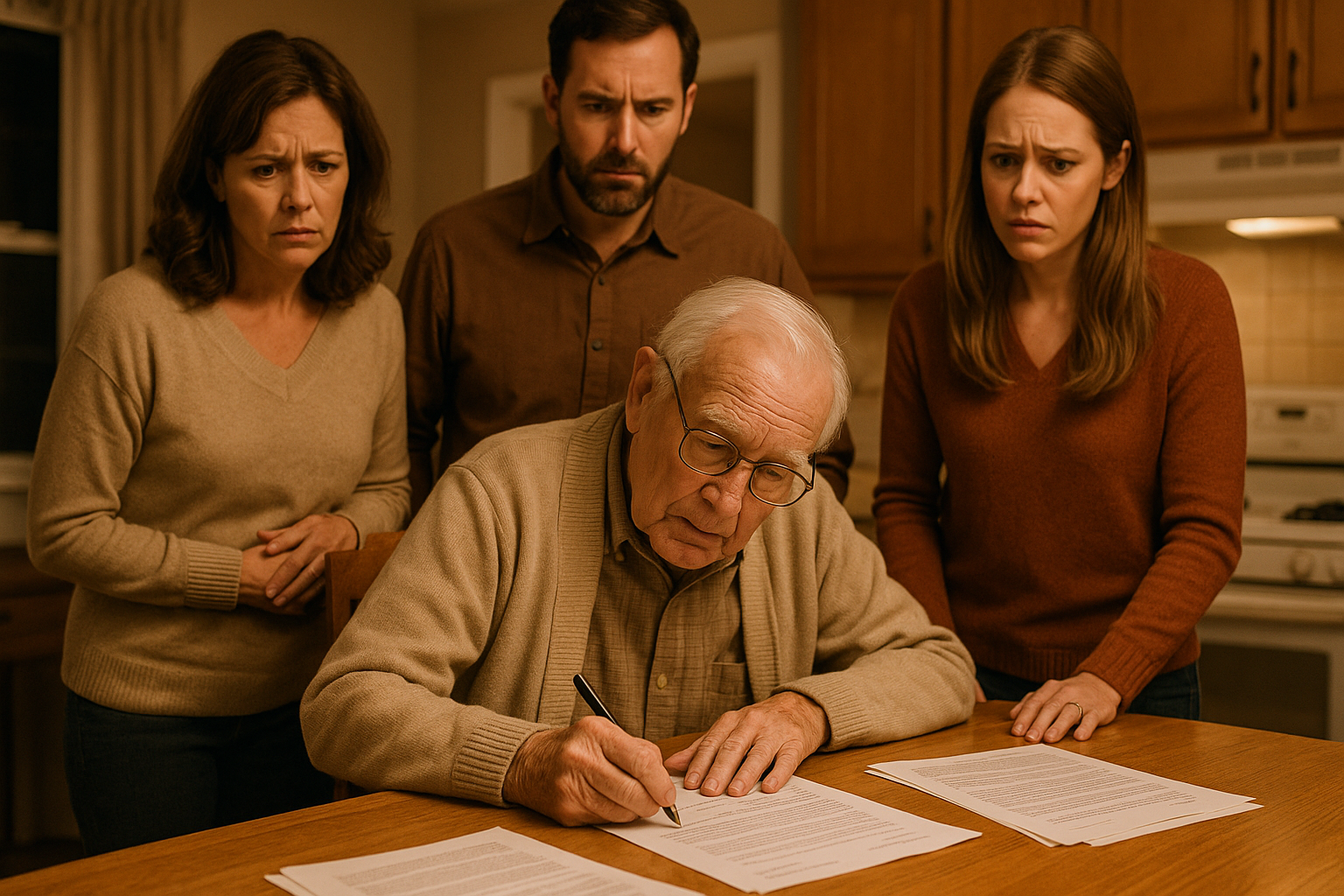
I recently worked with a client whose family member had been financially exploited through fraudulent power-of-attorney documents. As their estate litigation attorney, I helped recover approximately $2 million in stolen property plus an additional $1 million in damages. This case highlights how proper legal representation can right serious wrongs and protect rightful inheritances.
Estate litigation combines legal complexity with deeply personal matters, making it one of the most challenging areas of law – but also one of the most important for protecting family legacies and ensuring final wishes are honored.
The Role of an Estate Litigation Attorney
When you’re facing an estate dispute, having the right legal advocate in your corner isn’t just helpful—it’s essential. An estate litigation attorney does far more than file paperwork. They become your guide, your voice, and your defender through what can be one of life’s most challenging journeys.
How an Estate Litigation Attorney Assists
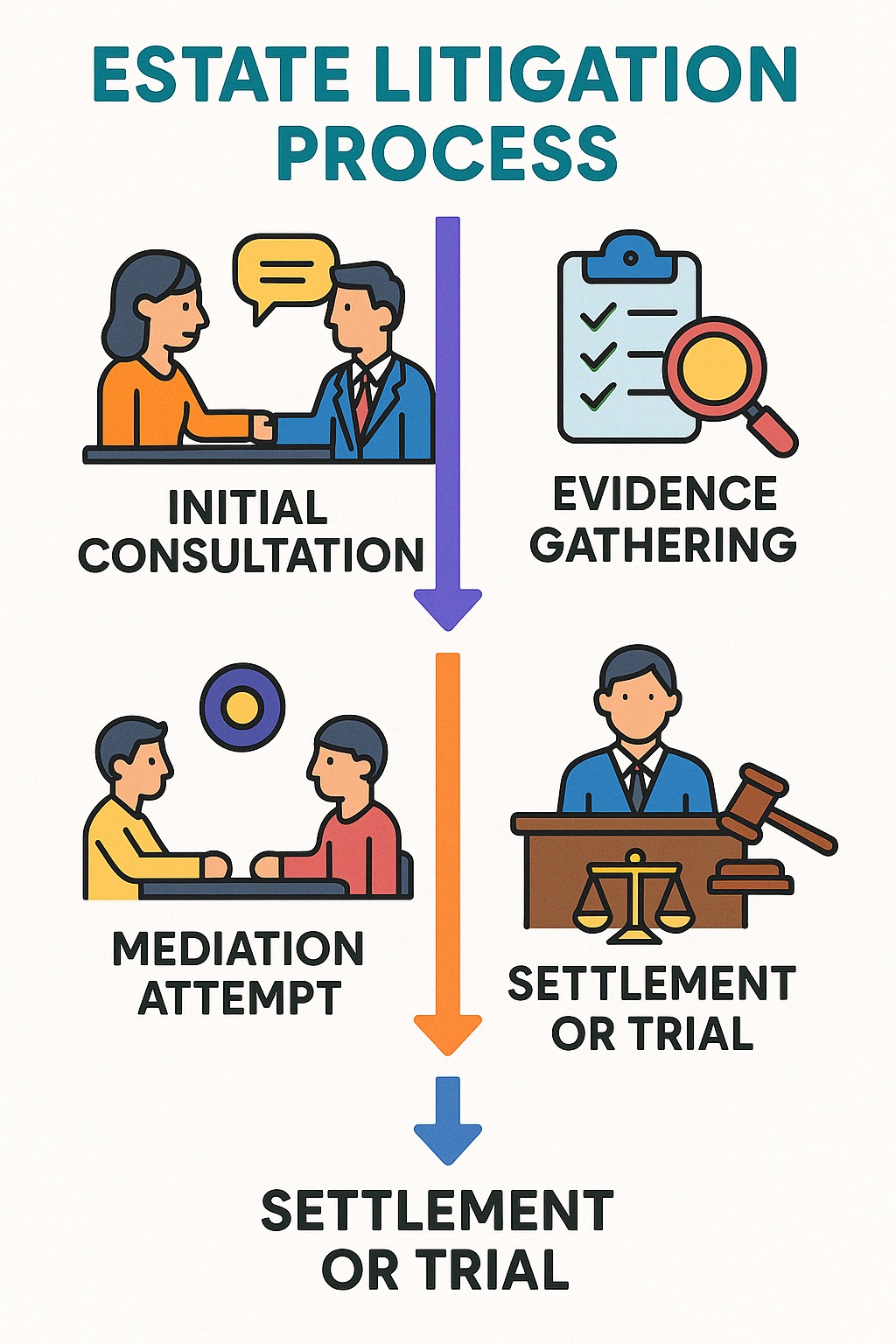
Picture this: You’ve just finded something doesn’t seem right with a loved one’s will. Maybe you suspect someone pressured them into changing it, or perhaps the executor is making decisions that don’t align with what you know your loved one wanted. This is where an estate litigation attorney steps in.
These specialized attorneys start by sitting down with you for a heart-to-heart about your situation. They’ll review all relevant documents with a trained eye, spotting issues you might miss. One client told me, “I thought I was overreacting until my attorney pointed out three red flags I hadn’t even noticed.”
Evidence gathering comes next, and it’s often the backbone of a successful case. Your attorney will help collect crucial documentation—everything from the will itself to medical records that might show mental capacity issues, financial statements that reveal suspicious transactions, or witness statements that support your position.
What sets a great estate litigation attorney apart is their ability to craft a strategy custom specifically to your situation. No two estate disputes are identical, and cookie-cutter approaches simply don’t work. At Ironclad Law, we develop customized strategies based on your unique circumstances, desired outcomes, and family dynamics.
Before heading to court, your attorney will typically explore settlement options. Negotiation and mediation often resolve disputes faster and with less emotional toll than trials. As one client shared after a successful mediation, “I was prepared for a two-year battle, but my attorney managed to resolve everything in three months through mediation. We actually ended up speaking to each other again as a family.”
If settlement attempts don’t succeed, your estate litigation attorney becomes your champion in court. They’ll present evidence, question witnesses, make legal arguments, and fight for your interests with conviction and skill. At Ironclad Law, we’re known for our assertive approach in the courtroom—we don’t back down when your inheritance rights are on the line.
Even after the dispute resolves, your attorney remains by your side, helping ensure proper distribution of assets and addressing any issues that arise during estate administration. This ongoing support provides peace of mind during a challenging time.
When Do You Need an Estate Litigation Attorney?
Certain situations clearly signal it’s time to call an estate litigation attorney. If you’re considering contesting a will or trust because you believe someone manipulated the deceased, or if the document was created when your loved one lacked mental capacity, professional legal help is essential. These cases involve complex legal standards and time-sensitive deadlines that require expert navigation.
When an executor or trustee isn’t fulfilling their duties—perhaps they’re helping themselves to estate assets, playing favorites among beneficiaries, or simply refusing to distribute inheritances—an estate litigation attorney can hold them accountable. One client came to us after waiting three years for an inheritance that should have been distributed within months. We resolved the situation within weeks of filing the appropriate court motions.
Sometimes, you might find yourself on the defensive side of estate litigation. If you’re an executor facing accusations or a beneficiary whose inheritance is being challenged, having skilled legal representation can protect both your rights and the deceased’s wishes.
Elder financial abuse cases require particularly sensitive handling. If you suspect someone took advantage of your elderly loved one before their death, an estate litigation attorney can help investigate and potentially recover misappropriated assets. These cases often blend emotional family dynamics with complex financial forensics.
Blended families create unique inheritance challenges. When second marriages, step-children, and family businesses enter the picture, an estate litigation attorney can help sort through competing claims while preserving important relationships when possible.
Finally, substantial or complex estates—those involving business interests, investment portfolios, or multiple properties—benefit greatly from specialized legal knowledge. Your estate litigation attorney should understand not just probate law but also business valuation, tax implications, and asset management.
At Ironclad Law, we’ve seen how early legal intervention can prevent small disagreements from erupting into full-blown family warfare. If you’re noticing the first signs of an estate dispute, reaching out to an Attorney for Will sooner rather than later can save you time, money, and precious family relationships.
Choosing the Right Estate Litigation Attorney
Selecting the right Attorney for Will disputes and estate litigation is a decision that shouldn’t be taken lightly. The attorney you choose will not only influence the outcome of your case but also shape your entire experience during what’s often an emotionally challenging time.

Key Qualities to Look For in an Estate Litigation Attorney
When you’re dealing with something as important as an inheritance dispute, you need more than just any lawyer—you need someone with the right mix of experience, knowledge, and personal qualities.
Specialized experience matters tremendously in estate litigation. This isn’t the time for a jack-of-all-trades attorney who handles everything from divorces to personal injury cases. You want someone who lives and breathes probate litigation daily. In our research, we found firms that have recovered more than $250 million for clients in estate litigation cases—a testament to what specialized knowledge can accomplish.
The local court knowledge your attorney brings can make or break your case. Each probate court has its own personality, procedures, and preferences. An estate litigation attorney who regularly appears before the judges in your jurisdiction understands these nuances and can steer them effectively. It’s like having a local guide when traveling in a foreign country—invaluable.
Pay close attention to an attorney’s track record with cases similar to yours. Has this lawyer successfully contested wills before? Have they dealt with cases involving trustee misconduct? Past performance doesn’t guarantee future results, but it does provide insight into their capabilities.
Your attorney’s strategic thinking will shape your entire case. A good estate litigation attorney begins with a thorough assessment of your situation and develops a custom approach, not a one-size-fits-all strategy. They should be able to explain their thinking in terms you understand and adapt as circumstances change.
Clear communication is non-negotiable. Legal jargon can be bewildering, and you deserve an attorney who can translate complex concepts into plain English. You should never leave a meeting with your lawyer feeling confused about what’s happening with your case.
The best estate attorneys possess emotional intelligence alongside legal knowledge. They understand that behind every dispute over assets lies a mix of family relationships, grief, and sometimes decades of complex emotions. An estate litigation attorney who combines aggressive advocacy with genuine compassion will serve you better than one focused solely on legal arguments.
Resource efficiency protects both your inheritance and your sanity. Some firms use a top-heavy staffing model where senior partners handle all aspects of your case rather than delegating to junior associates. This approach can be more cost-effective and ensures your case receives experienced attention throughout.
Never underestimate the importance of your attorney’s ethical reputation. In the words of one client testimonial we finded: “He represents the highest ideals of what a skilled and ethical lawyer should be in all his dealings with clients, adversaries and judges.” That kind of integrity is priceless.
At Ironclad Law, we strive to embody these qualities in every case we handle. We believe in combining assertive advocacy with a deeply human approach to client service.
Questions to Ask Potential Attorneys
Your initial consultation isn’t just for the attorney to evaluate your case—it’s your opportunity to interview them. Come prepared with questions that will help you determine if they’re the right fit.
“What percentage of your practice focuses on estate litigation?” This straightforward question quickly reveals whether you’re talking to a specialist or a generalist. You want someone who spends a significant portion of their time handling cases like yours.
“Have you handled similar cases before, and what happened?” Listen carefully to how they describe past cases. A good estate litigation attorney will share realistic outcomes, not just victories, and will explain how those experiences inform their approach to your situation.
“What’s your philosophy on estate disputes?” Some attorneys are settlement-focused, while others prepare every case as if it’s going to trial. Neither approach is inherently better, but you want an attorney whose style aligns with your goals.
“How do your fees work?” Estate litigation can be expensive, but a transparent fee structure helps you prepare. Whether they charge hourly rates, require retainers, or offer contingency arrangements in certain cases, you deserve clear information upfront.
“Who exactly will be working on my case?” At some firms, you might meet with a senior partner initially, only to have your case handed off to junior associates. Understanding the team structure helps set proper expectations.
“What’s your honest assessment of my situation?” Beware of attorneys who promise specific outcomes or seem overly optimistic. A trustworthy estate litigation attorney will give you a balanced view of your case’s strengths and challenges.
“What timeline do you anticipate?” While no attorney can predict exactly how long your case will take, experienced ones can provide reasonable estimates based on similar cases they’ve handled.
“How do you approach potential settlements?” Most estate disputes settle before trial, so understanding how your attorney steers negotiations is important. Do they explore mediation? How do they prepare for both settlement talks and potential trial simultaneously?
“How will we stay in touch throughout my case?” Clear communication expectations prevent frustration. Will you receive regular updates? Can you email questions as they arise? How quickly can you expect responses?
“What potential roadblocks do you see in my case?” This question reveals both the attorney’s analytical skills and their honesty. No case is perfect, and you want someone who can identify and plan for potential challenges.
Trust your instincts during these initial meetings. Beyond credentials and experience, you need an estate litigation attorney you feel comfortable with, as you’ll be sharing sensitive family information and working closely together during a stressful time. The right attorney feels like a partner in your corner, not just a hired professional.
Alternative Dispute Resolution in Estate Litigation
Not every estate dispute needs to end up in a courtroom battle. In fact, many families find better solutions through alternative dispute resolution (ADR) methods like mediation and arbitration. These approaches can save you time, money, and perhaps most importantly, help preserve those family relationships that might otherwise be damaged by drawn-out court fights.
When is Mediation Appropriate?
Picture this: instead of facing off in a courtroom, family members sit around a table with a skilled neutral mediator who helps everyone find common ground. That’s the essence of mediation – a process where someone impartial helps guide the conversation toward solutions that work for everyone.
Mediation shines in estate disputes when family dynamics are already complicated. If you’re hoping to maintain relationships with siblings or other family members after the dispute is resolved, mediation offers a much gentler path forward. As one mediator we’ve worked with often says, estate disputes typically involve “complex, emotional and high stakes” matters where relationships hang in the balance.
Family relationships matter deeply in these situations. The structured conversations in mediation often allow people to express feelings that might never surface in a formal court proceeding. I’ve seen families use mediation not just to divide assets but to heal old wounds and create new understanding.
Multiple issues often get tangled together in estate disputes. Maybe there’s disagreement about a specific asset, but underlying that are concerns about fairness or honoring the deceased’s wishes. Mediation allows for creative problem-solving that addresses these interconnected concerns.
“Mediation allows the disputing parties to maintain control over the resolution process rather than relinquishing decisions to an impartial judge.”
Privacy is another significant benefit. Unlike court proceedings that become public record, mediation discussions remain confidential. Family matters stay within the family – something many of our clients deeply appreciate.
The cost and time savings can be substantial. While litigation might drag on for years and cost tens of thousands of dollars, mediation typically resolves disputes in months at a fraction of the cost. One client told me they spent about 20% of what they had budgeted for litigation by choosing mediation instead.
Perhaps most importantly, mediation gives you control over the outcome. Rather than having a judge decide your family’s fate, you and the other parties work together to find solutions everyone can live with. This often leads to more creative and satisfying resolutions than a court might impose.

It’s worth noting that some jurisdictions, including Toronto, Ottawa, and Essex County in Ontario, have made mediation mandatory for many estate disputes. They’ve recognized what we’ve seen – mediation works particularly well for these sensitive family matters.
“Charles is an exceptional mediator. His experience in estate litigation shines. When I am asked to propose a mediator to my clients Charles is most definitely always on the list. I would not hesitate to recommend Charles to anyone looking to resolve a complex, emotional and high stakes estate litigation matter.”
– Jonathan M. Friedman, Principal & Owner, Friedman Estate Litigation Professional Corporation
At Ironclad Law, we often suggest exploring mediation before diving into full litigation. Even when mediation doesn’t resolve everything, it frequently narrows the issues and creates momentum toward an eventual settlement. Your estate litigation attorney can represent you effectively throughout this process, preparing your case, advising you during sessions, and ensuring any agreement protects your legal rights.
The beauty of trying mediation is that you don’t lose your right to litigation if it doesn’t work out. You can still proceed to court if necessary, having invested relatively little time and possibly gained valuable insights into the other party’s position and priorities.
Mediation offers a path to resolution that honors both the legal and emotional aspects of estate disputes – something traditional litigation often struggles to accomplish. For families facing the painful process of resolving inheritance conflicts, this more collaborative approach can make all the difference.
Understanding the Costs of Estate Litigation
Estate litigation can hit your wallet hard, with costs that vary widely depending on how complex your case is, what’s at stake, and just how heated the dispute becomes between all parties involved. Before you dive into a legal battle over an inheritance or estate matter, it’s worth understanding what you might be spending and how to keep those costs manageable.
When clients come to us at Ironclad Law with potential estate disputes, one of their first questions is nearly always about cost. That’s completely understandable – legal fees can add up quickly, and nobody wants financial surprises during an already stressful time.
Strategies to Manage and Minimize Costs
While there’s no getting around the fact that good legal representation costs money, you don’t have to write a blank check. There are several practical approaches that can help you control expenses without sacrificing the quality of your representation.
Getting a thorough case assessment early is perhaps the most important cost-saving strategy. At Ironclad Law, we begin every potential case with an honest evaluation of its strengths and weaknesses. This upfront investment can actually save you thousands by helping you decide whether litigation is truly worth pursuing. Sometimes, the hard truth is that the cost of fighting might exceed what you’d recover.
Consider mediation or arbitration instead of heading straight to court. These alternative dispute resolution methods typically cost a fraction of what a full trial would, while still giving you a chance to resolve your issues. Even when they don’t solve everything, they often narrow down what’s being disputed, which means less to litigate later.
Know what matters most to you before you start. Are you fighting on principle, or for financial reasons? Being clear about your objectives helps your attorney focus resources where they matter to you. Sometimes clients tell us, “It’s not about the money, it’s about what’s right” – and that’s fine, as long as you understand the costs that come with standing on principle.
Stay open to reasonable settlements throughout the process. As your case progresses and more facts come to light, settling might start looking more attractive to everyone involved. The best estate litigation attorneys know when to fight and when to negotiate.
When it comes to paying your attorney, discuss fee options upfront. Most estate litigation works on an hourly billing model, but there might be opportunities for flat fees for certain services or even contingency arrangements in cases involving asset recovery. At Ironclad Law, we’re transparent about costs from day one.
You can also save money by being an active participant in your case. Gathering documents, organizing information, and responding promptly to your attorney’s requests reduces the time they need to spend on administrative tasks – time you’re paying for.
Review billing statements regularly and speak up immediately if something doesn’t make sense. Clear communication about finances prevents misunderstandings and helps keep costs predictable.
Pay attention to how your legal team is staffed. Some firms use a top-heavy approach where senior partners delegate most work to junior attorneys or paralegals. Others, like Ironclad Law, prefer a more direct model where experienced attorneys handle your case personally. This can sometimes be more cost-effective in the long run.
Throughout your case, regularly reassess whether the potential outcome justifies the ongoing expenses. Your estate litigation attorney should provide updated assessments as your case progresses, helping you make informed decisions about whether to continue.
Finally, remember to budget for expenses beyond attorney fees. Court filing fees, expert witness costs, document production, depositions – these additional expenses can add up quickly.
According to a 2025 Legal Fee Survey by the National Law Journal, estate litigation costs have increased approximately 12% since 2023, making cost management strategies more important than ever for clients involved in inheritance disputes.
At Ironclad Law, we believe that honest conversations about money are essential to a good attorney-client relationship. We work with our clients to develop strategies that align with both their legal goals and financial realities. Our experience shows that when clients understand what they’re paying for and why, they tend to be more satisfied with the outcome of their case – regardless of what that outcome is.
While cost matters, it shouldn’t be the only factor in choosing an estate litigation attorney. The expertise, experience, and approach of your attorney will likely have a much bigger impact on how your case turns out than small differences in hourly rates. Sometimes the most expensive decision is hiring the wrong attorney, not paying a bit more for the right one.
Protecting Your Rights During Estate Litigation
When you’re caught in the middle of estate litigation, knowing how to protect your rights makes all the difference in the outcome. Many people start by searching What is a Probate Attorney? to understand the basics, but securing your interests requires more specific knowledge and strategic action.
Legal Grounds for Contesting a Will or Trust
Courts generally respect the final wishes of the deceased, which means challenging a will or trust requires strong evidence and valid legal grounds. If you believe something isn’t right with a loved one’s estate plan, here are the recognized legal grounds that courts take seriously:
Lack of testamentary capacity is one of the most common challenges. For a will to be valid, the person creating it must have understood what property they owned, who would naturally inherit it, and how making a will affects these things. I’ve seen cases where medical records and witness statements became crucial evidence in proving that someone lacked the mental clarity to make sound decisions about their estate.
Undue influence happens when someone pressures the will-maker so heavily that their free will is overcome. This often involves isolating the vulnerable person from family, creating dependency, and making suspicious changes to estate plans that benefit the influencer. In one case we handled, a caregiver had gradually isolated an elderly client from all family before convincing them to change their will dramatically.
Fraud is another serious ground for contest. This might involve someone tricking the testator into signing what they didn’t know was a will, making false statements about potential heirs, or even forging signatures. These cases often hinge on detailed handwriting analysis and witness testimony.
Improper execution refers to situations where the will wasn’t signed according to state law requirements. Most states require the testator’s signature, two witnesses who watched them sign, and sometimes proper notarization. Even small technical errors can sometimes invalidate a will.
I remember a particularly complex case from our research involving a successor trustee defending his father’s trust against claims of undue influence. After an exhausting 25-day trial in Calaveras County, the ruling was upheld on appeal – showing just how intensive these proceedings can become.

Steps to Protect Your Inheritance
Whether you’re concerned about potential disputes or already in the middle of litigation, taking the right steps early can significantly strengthen your position.
Time is not on your side in estate matters. Most jurisdictions give you a limited window – often just 120 days from probate – to contest a will. As one attorney in our field accurately put it, “Estate litigation cases require prompt legal action due to strict and short time limits.” I’ve seen too many valid claims dismissed simply because someone waited too long to act.
Documentation becomes your strongest ally. Gather everything you can: copies of wills and trusts, financial records showing asset transfers, communications between the deceased and potential influencers, and medical records if capacity is at issue. These documents often tell a story that supports your case.
Finding the right legal counsel is perhaps your most important decision. An experienced estate litigation attorney brings not just legal knowledge but strategic thinking to your case. Look for someone who, as our research revealed, maintains “a calm, analytic demeanor crucial for navigating contentious disputes in trust and estate litigation.”
Consider alternatives before court. Before filing a lawsuit, your attorney might request an accounting from the executor, send a formal demand letter, or propose mediation. These steps often resolve issues without the expense and emotional toll of a trial. I’ve seen families reach surprising agreements when given a structured opportunity to communicate outside the courtroom.
Be prepared for findy, the formal information exchange in litigation. This includes answering written questions (interrogatories), producing documents, giving sworn testimony (depositions), and sometimes working with expert witnesses. Being organized and responsive during this phase strengthens your position considerably.
Remain open to reasonable settlements throughout the process. As more information comes to light, settlement options that initially seemed unacceptable might become attractive alternatives to continued litigation. The best outcomes often combine principled advocacy with practical compromise.
At Ironclad Law, we take protecting inheritance rights personally. We believe in thoroughly preparing each case as if it will go to trial, while always looking for efficient paths to resolution. Our approach combines assertive advocacy with genuine understanding of the emotional stakes involved in family estate matters.
When family legacies and financial security are on the line, having an estate litigation attorney who balances legal expertise with compassion makes all the difference. We’re committed to helping you steer these challenging waters with confidence and clarity.
Frequently Asked Questions about Estate Litigation Attorneys
When you’re facing the complexities of estate disputes, questions naturally arise. As someone who’s guided many clients through these challenging situations, I’d like to address some of the most common concerns we hear at Ironclad Law.
How much does estate litigation cost?
Let’s be honest – estate litigation isn’t inexpensive, but understanding the factors that influence costs can help you prepare financially.
The price tag of your case will largely depend on its complexity. A straightforward dispute might run between $10,000-$25,000, while more intricate cases involving substantial assets or multiple legal issues can exceed $100,000.
Your geographic location plays a significant role too. Legal services in major metropolitan areas like New York City typically command higher rates than in smaller communities. At Ironclad Law, we’re transparent about our fee structure from the start.
Most estate litigation attorneys charge hourly rates ranging from $300 to $800, with the variation reflecting experience and expertise. While it might be tempting to choose an attorney based solely on lower fees, this approach can backfire if they lack the specialized knowledge your case requires.
To keep costs manageable, consider mediation when appropriate, maintain open communication with your attorney about budget concerns, and establish clear expectations about the financial aspects of your case from the beginning. An experienced attorney may work more efficiently, potentially saving you money despite a higher hourly rate.
Can I contest a will after probate?
Yes, you can contest a will even after probate has been granted – but you’ll need to act quickly and understand the additional challenges involved.
Most jurisdictions impose strict deadlines for post-probate challenges, typically ranging from a few months to a year after probate is granted. In some places, you may have only 120 days from the hearing date to file your contest. Miss this window, and you may permanently lose your right to challenge the will.
The courts also require you to have legal standing to contest – meaning you must be an heir, a beneficiary under a previous will, or someone who would inherit if the current will were invalidated. You can’t contest simply because you disagree with the distribution.
It’s worth noting that once a will has been admitted to probate, the burden of proof on contestants often increases. The court has already made an initial determination that the will is valid, so you’ll face a steeper uphill battle than in a pre-probate challenge.
If you believe you have grounds to contest a will that’s already gone through probate, contact an estate litigation attorney immediately. Time is truly of the essence, and professional guidance can help you evaluate whether your case merits the additional challenges of a post-probate contest.
What are the legal grounds for contesting a will or trust?
Courts generally respect a person’s final wishes as expressed in their estate documents, so successful challenges must be based on recognized legal grounds. Here are the primary bases for contesting a will or trust:
Lack of testamentary capacity is perhaps the most common ground for contests. The person creating the will or trust must have understood what property they owned, who would naturally inherit from them, and how their estate plan would distribute their assets. Medical conditions like dementia or Alzheimer’s often factor into these challenges.
Undue influence occurs when someone improperly pressures the testator, essentially overriding their free will. This typically involves a caregiver, family member, or advisor who benefits substantially from changes to the estate plan. Red flags include isolation of the testator, sudden changes favoring the influencer, and the influencer’s involvement in creating the documents.
Fraud or misrepresentation involves deception that affected estate planning decisions. This might include lies about potential heirs (“Your daughter doesn’t want any of your property”) or tricking someone into signing a document they didn’t know was a will.
Improper execution challenges focus on technical requirements. Each state has specific rules about how wills and trusts must be signed and witnessed. If these formalities weren’t followed correctly, the document may be invalid regardless of the testator’s intentions.
Other potential grounds include forgery of the testator’s signature, revocation by a later valid document, and ambiguity in the document’s language that makes proper interpretation impossible.
At Ironclad Law, we’ve seen successful challenges based on all these grounds, but each case is unique. An experienced estate litigation attorney can evaluate the specific circumstances surrounding your situation and determine which grounds might apply. As one of our colleagues aptly noted, “contesting a will or trust is often the only way to secure one’s rightful inheritance when there are disputes.”
If you believe a will or trust doesn’t reflect the true intentions of your loved one, don’t hesitate to seek professional guidance. Understanding your legal options is the first step toward protecting your inheritance rights.
Conclusion
Navigating the complex terrain of estate litigation requires more than just legal knowledge—it demands a strategic approach, emotional intelligence, and assertive advocacy. At Ironclad Law, our team of experienced Estate Lawyer professionals combines these qualities to provide comprehensive representation in even the most challenging estate disputes.
The selection of the right estate litigation attorney is perhaps the most crucial decision you’ll make when facing inheritance conflicts. This choice will influence not only the legal outcome of your case but also your experience throughout the litigation process and potentially the preservation of important family relationships.
When I meet with clients facing estate disputes, I often remind them that effective estate litigation isn’t just about knowing the law—it’s about applying that knowledge strategically to your unique situation. It requires specialized knowledge of probate procedures, experience with your specific type of dispute, and the ability to think several moves ahead, like a chess player anticipating their opponent’s strategy.
Good communication makes all the difference in these emotionally charged cases. Your attorney should explain complex legal concepts in terms you can understand and keep you informed at every step. At Ironclad Law, we believe in compassionate client service that acknowledges the human element of estate disputes—these aren’t just legal matters; they’re deeply personal family issues that deserve sensitive handling.
Estate litigation often emerges during periods of grief and emotional vulnerability. The right attorney serves not only as your legal advocate but also as a steady guide through a challenging process, helping you make informed decisions while protecting your rights. We’ve seen how proper legal guidance can bring not just financial resolution but also emotional closure to difficult family situations.
Managing costs remains a priority for most clients. We work diligently to create efficient strategies that protect your interests without unnecessary expense. Sometimes this means exploring settlement opportunities when appropriate, while always preparing thoroughly should your case need to proceed to trial.
At Ironclad Law, we pride ourselves on our assertive approach to complex litigation matters, including estate disputes. Our attorneys combine deep legal expertise with a commitment to client-centered representation, ensuring that your voice is heard and your goals remain at the forefront of our strategy.
Whether you’re contesting a will, defending against such a contest, addressing trustee misconduct, or navigating any other estate dispute, we invite you to contact us for a consultation. Together, we can develop a custom approach to your specific situation, drawing on our experience in New York estate litigation to pursue the best possible outcome for your case.

Estate disputes rarely resolve themselves, and delays in seeking qualified legal counsel can sometimes prejudice your rights. If you’re facing an inheritance conflict or anticipate such a dispute, we encourage you to reach out today to discuss how our experienced estate litigation attorneys can help protect your interests and achieve your goals.
The path through estate litigation may not always be simple, but with the right legal partner, you don’t have to walk it alone. Let us help you find clarity, resolution, and peace of mind during this challenging time.