
You have 0 items in your cart

Corporate Governance Law Firms: If you’re searching for legal experts in corporate governance, you’re looking for teams that understand the balance of power within companies, the importance of good governance for sustainability and growth, and the evolving legal landscape that affects all businesses, big and small.
Corporate governance has never been more critical. With the echoes of corporate scandals still in the air, the role of law firms specializing in corporate governance has shifted from just advisory to a more proactive, strategic role. They’re not only guides but also guardians of corporate integrity, ensuring that companies stay on the right side of law and ethics, while navigating their way through complex regulations and standards.
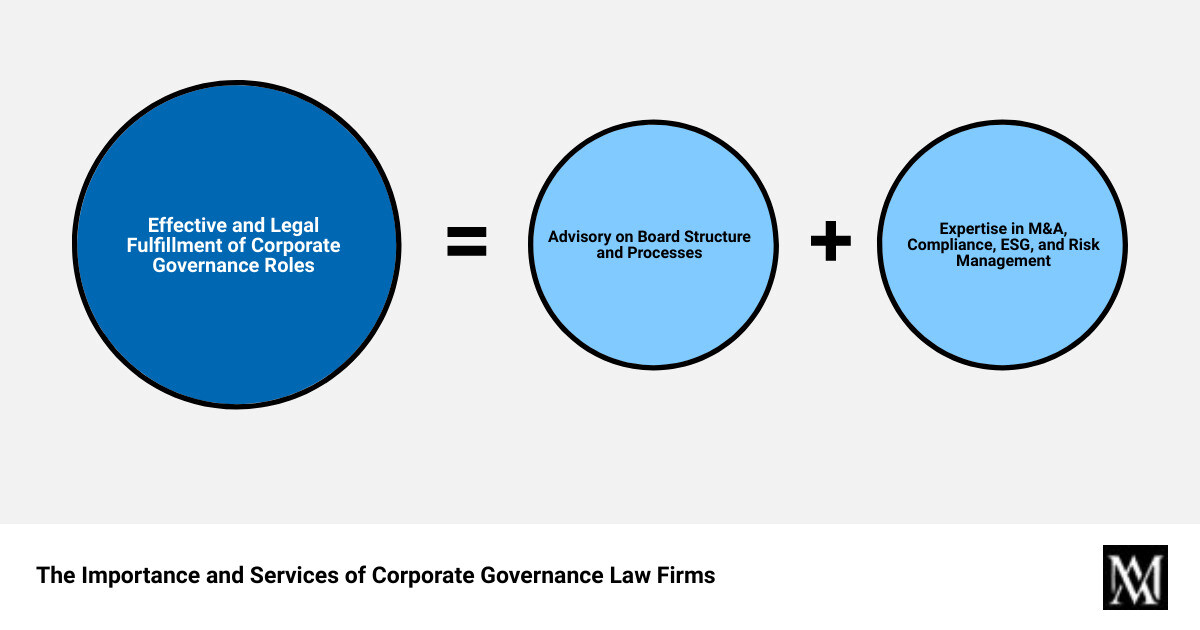
Corporate governance law firms specialize in advising boards of directors, executive officers, and board committees on fulfilling their roles effectively and legally. They help in structuring robust governance frameworks that can withstand scrutiny and change. These firms are adept at navigating the maze of legislation, regulations, and listing standards that define and influence the responsibilities of those at the helm of companies.
Given the importance of good governance for businesses in today’s rapidly changing regulatory environment, finding the right law firm is crucial. These firms offer a wide range of services, from advising on board structure and processes, mergers and acquisitions (M&As), compliance, environmental, social, and governance (ESG) criteria, to risk management solutions that align with your company’s strategy and values.
Their expertise in action is a beacon for businesses seeking not just to survive but to thrive in an era of heightened accountability and transparency. Whether you’re a startup navigating the complexities of becoming a publicly-traded company or an established multinational dealing with cross-border transactions, the right corporate governance law firm can make all the difference.
Understanding Corporate Governance
When we talk about corporate governance, think of it as the rulebook for how a company is run. It’s not just about making decisions; it’s about making them in the right way. This section will dive into the legal framework, fiduciary duties, and shareholder rights—the core pillars that keep the corporate world spinning.
Legal Framework
Imagine building a house without a blueprint. That’s what running a company without a legal framework looks like. The legal framework sets the stage for corporate governance by outlining the laws and regulations a company must follow. This includes big names like the Sarbanes-Oxley Act and the Dodd-Frank Act, which were introduced to protect investors from fraudulent financial reporting by corporations. These laws make sure companies are transparent in their operations and accountable for their actions.
Fiduciary Duties
Now, let’s talk about the people steering the ship—directors and officers of a company. They have what’s called fiduciary duties. This means they must act in the best interest of the company and its shareholders. It’s like being a trusted guardian of someone’s finances. They must show loyalty and care, making decisions that benefit the company, not their personal bank accounts. Skadden, a notable name in corporate governance law, assists companies in ensuring these duties are met, especially in tricky situations like mergers or internal investigations.
Shareholder Rights
Last but definitely not least, are shareholder rights. Shareholders own parts of the company, so they have a say in how it’s run. This includes voting on important company decisions, like who makes up the board of directors. Corporate governance law firms play a key role here, helping companies navigate the complex process of shareholder proposals and annual meetings. They ensure that shareholder voices are heard, and their rights are protected.
Understanding corporate governance is about grasping how legal structures, fiduciary responsibilities, and shareholder interests intertwine to guide the ethical, efficient, and effective operation of a company. It’s the backbone of trust and integrity in the business world, ensuring companies are not just focused on profits but also on doing things the right way.
Remember, the goal of corporate governance is not just to check boxes on compliance forms. It’s about building a foundation of trust—between a company and its investors, its employees, and the society it operates in. With firms like MAH Advising PLLC leading the charge, companies have a guiding star to navigate the often turbulent waters of corporate governance, ensuring they stay on course towards sustainable success.
Next, let’s delve into the 4 P’s of Corporate Governance and explore how these principles shape the governance landscape.
The 4 P’s of Corporate Governance
Corporate governance is like a complex machine. For it to run smoothly, every part must work perfectly together. This is where the 4 P’s of Corporate Governance come into play: People, Purpose, Process, and Performance. Let’s break down each of these components to understand their critical roles.
People
At the heart of corporate governance are the People. These include the board of directors, executives, shareholders, and employees. Each group has its own roles and responsibilities, but they all share the goal of ensuring the company’s success. For instance, MAH Advising PLLC emphasizes the importance of having experienced corporate governance counsel to guide these key players, ensuring they perform their duties effectively in both routine and extraordinary situations.
Purpose
Purpose defines why a company exists and what it aims to achieve beyond making profits. It’s about the company’s values, ethics, and its commitment to social responsibility. A clear and compelling purpose can attract investors, motivate employees, and build customer loyalty. It’s the compass that guides decision-making and strategy at all levels of the organization.
Process
Process refers to the formal structures and procedures that support effective corporate governance. This includes everything from how decisions are made and documented to how performance is monitored and reported. A robust governance process ensures transparency, accountability, and compliance with laws and regulations. For example, adjusting governance protocols to comply with evolving requirements is a critical service provided by corporate governance law firms, ensuring that companies not only meet current standards but also anticipate future changes.
Performance
Finally, Performance measures how well the company achieves its objectives, both financial and non-financial. It’s about assessing the effectiveness of governance practices and making necessary adjustments to improve outcomes. Performance evaluation can involve analyzing financial returns, customer satisfaction, employee engagement, and the company’s impact on the environment and society. Effective corporate governance fosters a culture of continuous improvement, where feedback is used to refine strategies and processes.
These 4 P’s illustrate the multifaceted nature of corporate governance. It’s not just about following rules or meeting legal requirements. It’s about creating a culture that values ethical behavior, strategic thinking, and accountability. By focusing on People, Purpose, Process, and Performance, companies can build a strong foundation for long-term success. This holistic approach is what firms like MAH Advising PLLC advocate for, ensuring that their clients not only comply with governance regulations but also thrive in a competitive business landscape.
It’s important for companies to continually assess and refine their corporate governance practices. The landscape is always changing, and staying ahead requires dedication, expertise, and a clear understanding of the principles that underpin effective governance.
Types of Corporate Governance Models
When it comes to corporate governance, not all systems are created equal. Different countries have developed their own models based on their unique business environments, legal systems, and cultural norms. Let’s break down the three major types: Anglo-US Model, German Model, and Japanese Model.
Anglo-US Model
This model is prevalent in English-speaking countries like the United States and the United Kingdom. It’s characterized by a clear separation between the ownership and management of companies. Here’s what stands out:
- Shareholder Primacy: The interests of shareholders are placed above all others. Companies focus on maximizing shareholder value.
- Board Structure: Typically, there’s a single board of directors with a mix of executive and non-executive (or independent) directors.
- Market-based Control: The market for corporate control plays a critical role. Mergers and acquisitions are common ways to discipline underperforming management.
This model promotes transparency and accountability through strict disclosure requirements and corporate governance codes.
German Model
The German model, also seen in countries like Austria and the Netherlands, emphasizes a more stakeholder-oriented approach. Key features include:
- Two-tier Board System: Companies operate with two boards – a management board that runs day-to-day operations and a supervisory board that oversees the management board. The supervisory board includes worker representatives.
- Stakeholder Involvement: Besides shareholders, the interests of employees, creditors, and sometimes even the government are considered important.
- Bank Influence: Banks play a significant role in corporate governance, often holding substantial equity stakes and seats on the supervisory board.
This model fosters long-term relationships and stability but can sometimes lead to less transparency and slower decision-making processes.
Japanese Model
The Japanese model, also found in some other Asian countries, combines elements of both the Anglo-US and German models but adds unique characteristics:
- Cross-shareholding: Companies often hold shares in each other, creating a network of mutually supportive relationships known as keiretsu.
- Lifetime Employment: Many large firms practice lifetime employment, fostering loyalty and a focus on long-term company welfare over short-term gains.
- Board Structure: Traditionally, Japanese companies have had large boards dominated by insiders. However, recent reforms encourage more independent directors.
This model promotes harmony and consensus but can sometimes obscure accountability and hinder rapid decision-making.
Each of these corporate governance models has its strengths and weaknesses. Corporate governance law firms play a crucial role in navigating these complexities. They help companies align with the specific requirements and best practices of their respective models, ensuring not just compliance but also strategic advantage in the global marketplace.
As we delve into the key services offered by these law firms, remember that the right governance structure can significantly influence a company’s success and resilience.
Key Services Offered by Corporate Governance Law Firms
In the realm of corporate governance, law firms play a pivotal role in steering companies towards sustainable growth and compliance. Here’s a breakdown of the critical services these firms offer:
Board Structure
Why It Matters: The board of directors is the heartbeat of corporate governance. Its structure influences decisions critical to the company’s future.
What Law Firms Do: Corporate governance law firms advise on the optimal composition and structure of the board. This includes guidance on diversity, expertise, and roles to ensure the board can effectively oversee the company’s direction and accountability. For instance, Smith Anderson’s Corporate Governance team works closely with boards to set a positive tone at the top, implementing appropriate structures and policies.
Mergers and Acquisitions (M&A)
Why It Matters: M&A activities can redefine a company’s landscape. They require meticulous planning and strategic foresight.
What Law Firms Do: From due diligence to negotiation, law firms guide companies through the complex process of mergers, acquisitions, and even defenses against hostile takeovers. They help ensure that these major corporate decisions align with the company’s long-term goals and compliance requirements.
Compliance
Why It Matters: In today’s regulatory environment, compliance is non-negotiable. It safeguards the company’s integrity and public trust.
What Law Firms Do: Law firms assist in developing robust compliance programs that cover everything from the Foreign Corrupt Practices Act (FCPA) to local regulations. They help companies navigate the maze of legal obligations, minimizing risks of violations that could lead to hefty fines or reputational damage.
Environmental, Social, and Governance (ESG)
Why It Matters: ESG factors have become critical in assessing a company’s risk and growth potentials. Consumers and investors alike demand transparency and responsibility.
What Law Firms Do: Firms offer advice on incorporating ESG principles into corporate strategies, ensuring that companies not only comply with relevant regulations but also appeal to socially conscious investors and customers. This includes guidance on sustainability practices, social responsibility initiatives, and governance that aligns with ESG goals.
Risk Management
Why It Matters: Identifying and mitigating risk is essential for maintaining a company’s health and securing its future.
What Law Firms Do: Through comprehensive risk assessments, law firms help companies identify potential threats to their operations, finances, and reputation. They then work to develop strategies to manage these risks, ensuring the company can navigate challenges effectively and maintain stability.
Each of these services reflects the complex nature of corporate governance and the critical role that specialized law firms, like MAH Advising PLLC, play in navigating this landscape. By leveraging their expertise, companies can ensure not only compliance with the law but also a strategic approach to governance that promotes long-term success and resilience.
Frequently Asked Questions about Corporate Governance Law Firms
What is Legal Corporate Governance?
Legal Corporate Governance is all about the rules, practices, and processes used to direct and control a company. It involves balancing the interests of a company’s many stakeholders, such as shareholders, management, customers, suppliers, financiers, government, and the community. Corporate governance law firms help ensure that corporations adhere to the law while also working in the best interest of all parties involved.
What are the 3 Types of Corporate Governance?
-
Anglo-US Model: This model focuses on the interests of shareholders. It’s common in English-speaking countries like the United States and the United Kingdom. The board of directors plays a key role, and there’s a clear separation between ownership and management.
-
German Model: Also known as the Two-Tier model, it features a management board and a supervisory board. This model emphasizes the interests of both shareholders and workers, reflecting a broader stakeholder approach.
-
Japanese Model: This model is characterized by cross-shareholding among corporations. It’s unique in that it fosters strong business relationships and loyalty but can sometimes lead to less transparency for shareholders.
What is the Corporate Structure of a Law Firm?
The structure of a law firm often mirrors corporate governance in its complexity and hierarchy. Here’s a simplified breakdown:
– Managing Partner: Acts similarly to a CEO, overseeing the firm’s operations and strategic direction.
– Equity Partners: They are the firm’s owners, sharing profits and making key business decisions.
– Associates: Lawyers who are employees of the firm. They do not have ownership stakes but may work towards becoming partners.
– Staff: This group includes paralegals, legal assistants, and administrative personnel who support the firm’s legal and business functions.
In conclusion, corporate governance law firms play a pivotal role in ensuring that companies operate ethically, transparently, and efficiently. By understanding the different models of corporate governance and the structure of law firms, stakeholders can better appreciate the complexities of corporate governance and the value that specialized law firms like MAH Advising PLLC bring to the table.
Conclusion
In the intricate world of corporate governance, having the right legal advisor is not just an option; it’s a necessity. MAH Advising PLLC stands out as a beacon of expertise and dedication in this specialized field. Our journey through the various facets of corporate governance has underscored the importance of ethical, transparent, and efficient operations in today’s business landscape.
At MAH Advising PLLC, we’re not just lawyers; we’re architects of corporate integrity. Our extensive experience and proactive approach enable us to navigate the complexities of corporate governance with ease. Whether it’s setting up robust compliance programs, advising on mergers and acquisitions, or crafting effective risk management strategies, our team is equipped to guide your organization towards sustainable success.
We understand that every organization has its unique challenges and opportunities. That’s why we tailor our services to meet your specific needs, ensuring that your corporate governance framework not only meets legal requirements but also aligns with your company’s mission and values. Our multidisciplinary expertise means that we can offer integrated advice, from board structure and composition to environmental, social, and governance (ESG) planning.
The testimonials from our clients speak volumes about our commitment to excellence. Our team, led by seasoned professionals like David Thatch, Maia Gez, and Scott Levi, has been lauded for their engagement, leadership, and unparalleled regulatory processes. Our pragmatic approach and global reach have prepared us to handle matters of any size or scope, earning us the trust and confidence of our clients.
In conclusion, the value that specialized corporate governance law firms like MAH Advising PLLC bring to the table cannot be overstated. Our firm stands ready to assist your organization in navigating the changing landscape of corporate governance. With MAH Advising PLLC, you’re not just hiring a law firm; you’re partnering with a team dedicated to optimizing your corporate culture and maximizing value.
Discover how we can help your organization achieve its corporate governance goals. Visit our practice areas for more information and let us guide you towards best practices in corporate governance.
When corporate integrity and transparency are more important than ever, MAH Advising PLLC is your trusted partner in navigating the complexities of corporate governance. Together, let’s set the standard for excellence.